Thailand Lantern Festival 2026: Loy Krathong & Yi Peng in Chiang Mai
Planning a trip to the Thailand lantern festival in Chiang Mai in 2026? This guide walks you through exactly what to expect from Loy Krathong and Yi Peng, how to plan your dates, whether you should actually release a lantern, and how to avoid confusion, scams, and disappointment once you land in Chiang Mai.
My husband and I spent a full week in Chiang Mai during the lantern festival. We explored the city, joined local celebrations, got caught in the chaos, felt a bit scammed in one spot, and still walked away saying it was one of the most beautiful travel experiences of our lives.
This guide is based on that real experience. You will not find a sugar-coated “Instagram only” version here.
GetYourGuide
Find a variety of activities down below if you’re short on time with 2-3 days in Chiang Mai.
What Is The Thailand Lantern Festival In Chiang Mai?
When people talk about the “Thailand lantern festival,” they are usually referring to the celebrations in Chiang Mai, where two separate festivals happen at the same time:
- Loy Krathong – the water lantern or “floating basket” festival
- Yi Peng – the sky lantern festival unique to Northern Thailand
Together they create the famous Chiang Mai lantern festival, with flickering lights both on the river and in the sky.
Loy Krathong – Floating Baskets And Letting Go
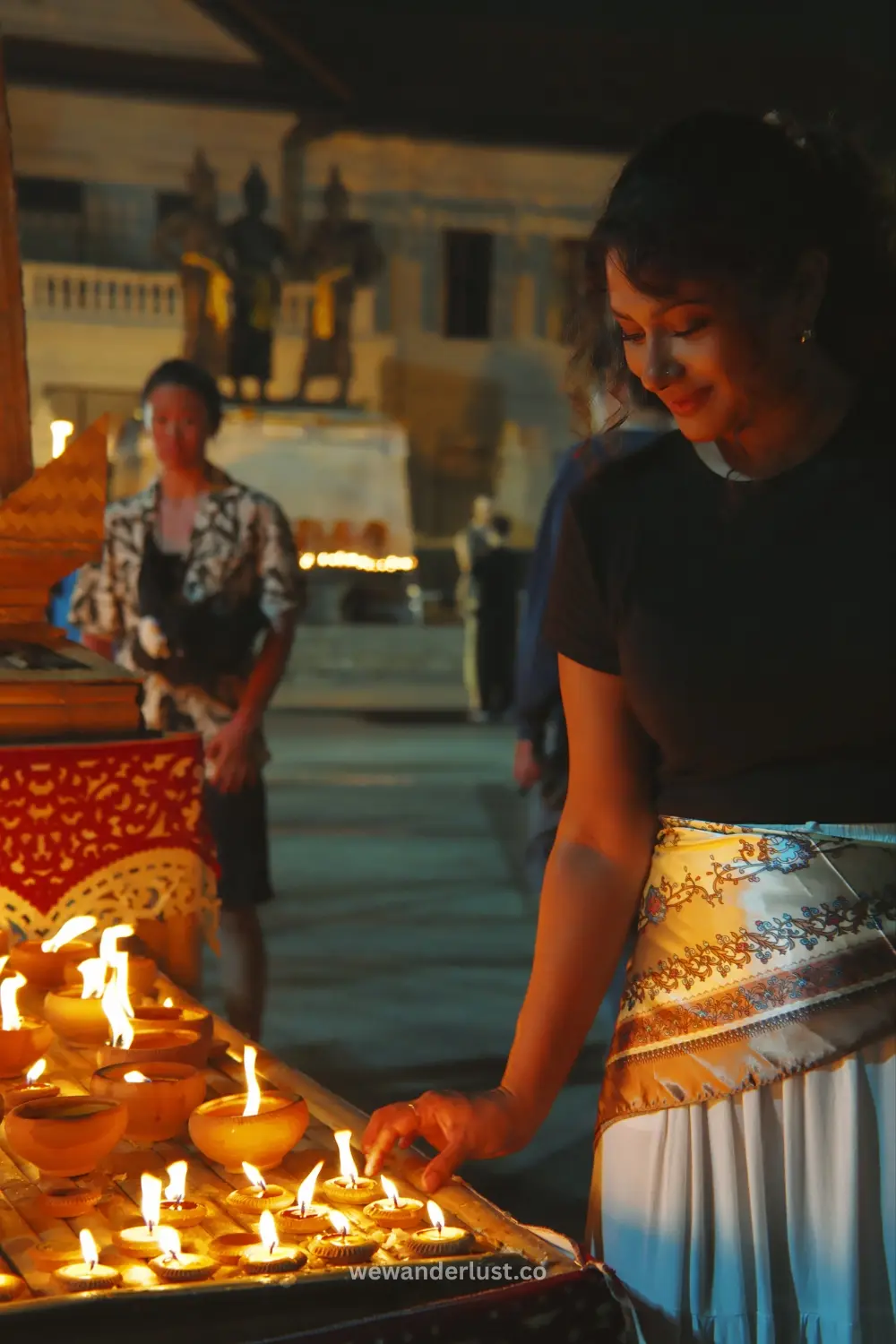
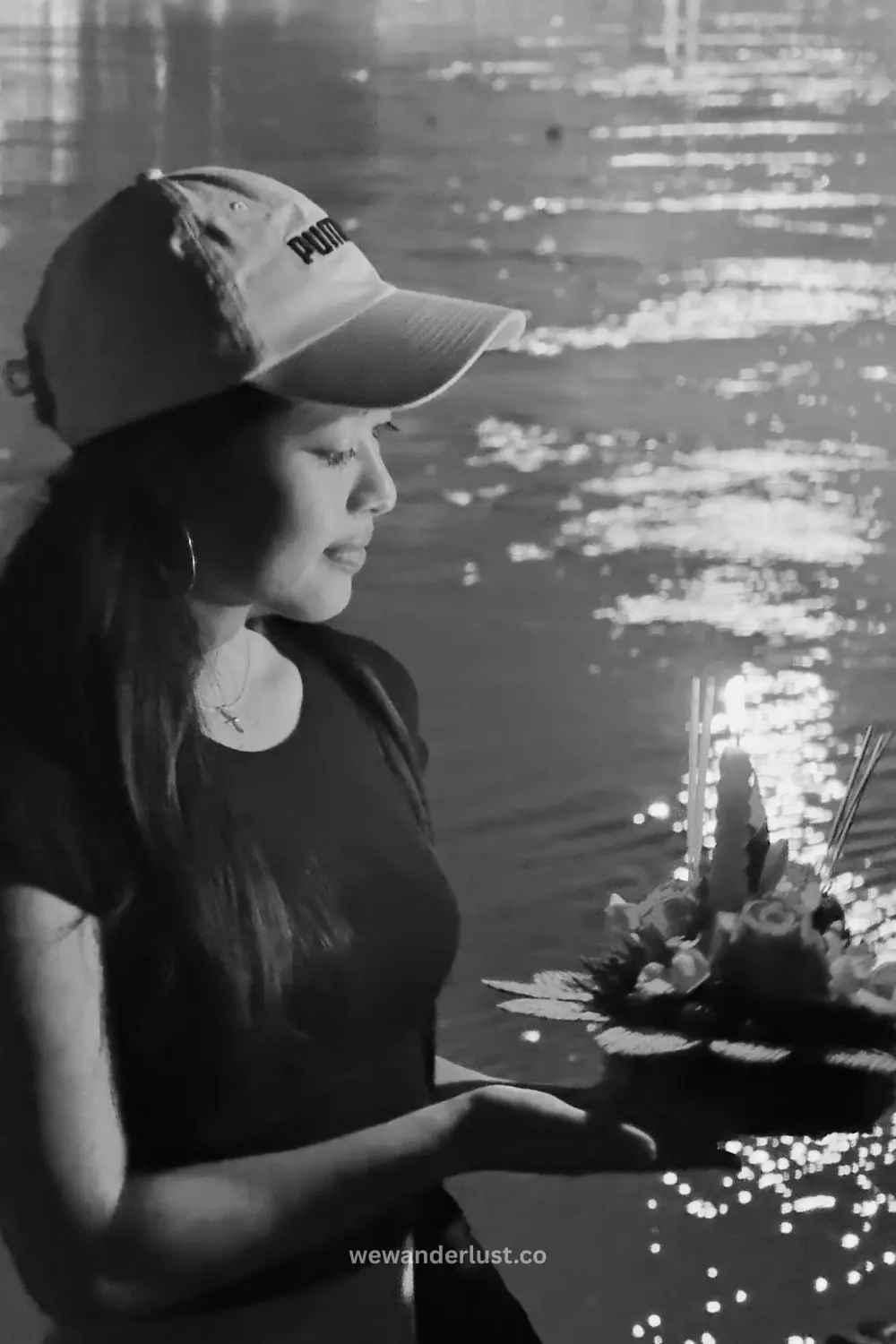
Loy Krathong is celebrated across Thailand. The word “loy” means “to float” and “krathong” refers to a small basket. These baskets are traditionally made from a slice of banana trunk, covered in folded banana leaves, and decorated with flowers, candles, and incense sticks.
Locals release their krathongs into rivers, lakes, and canals to thank the water goddess, pay respect to the water spirits, and symbolically let go of anger, sadness, and misfortune from the past year. Many people make a wish as they place their krathong in the water.
Seeing hundreds of glowing baskets drifting down the Ping River at night is one of the most moving parts of the Thailand lantern festival, especially when you know the meaning behind it.
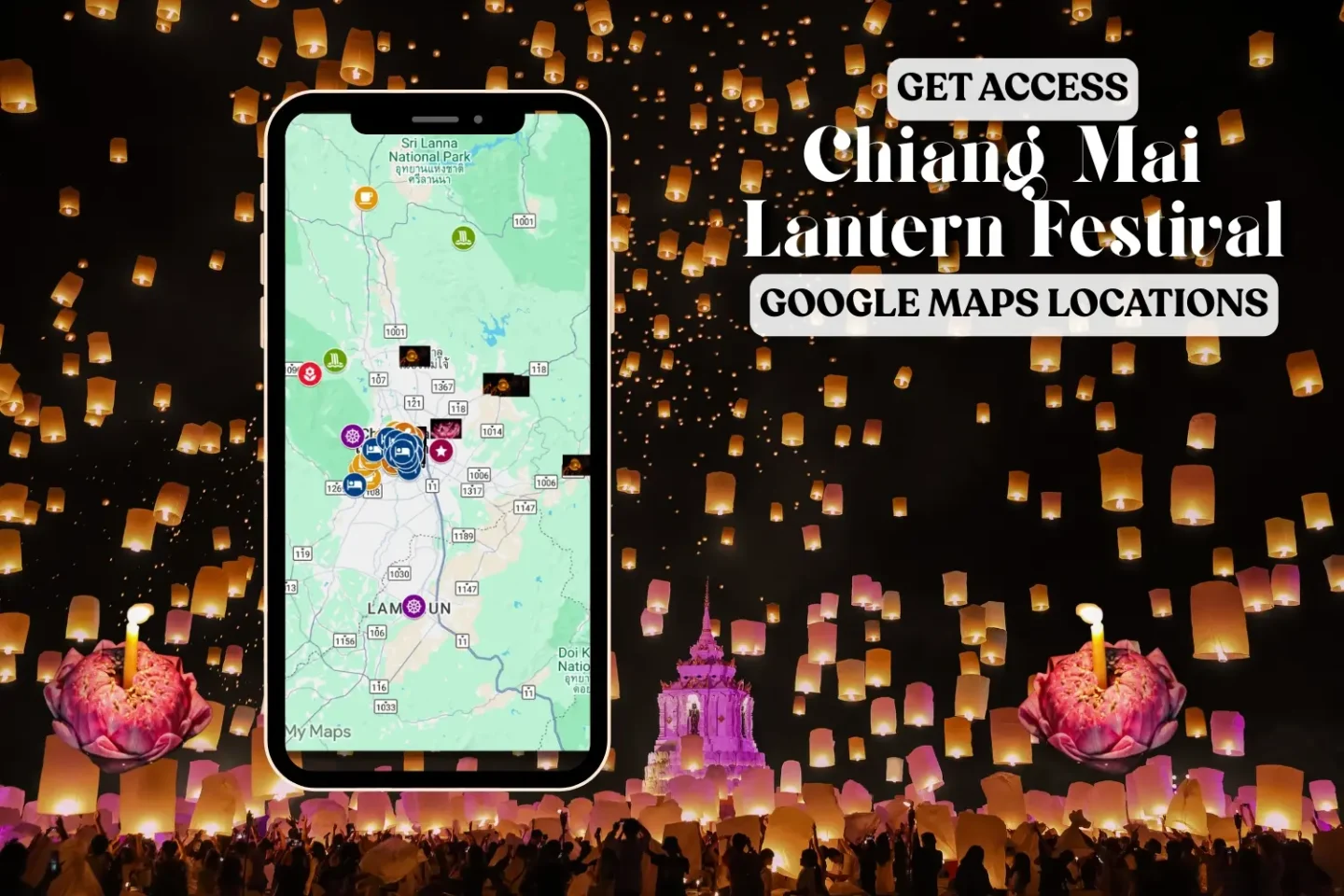
Get access to our private Google maps locations for the Chiang Mai Loy Krathong and Yi Peng Lantern festival for 2026.
Yi Peng – The Sky Lantern Festival Of Northern Thailand
Yi Peng (often written as Yee Peng) is specific to Northern Thailand, especially Chiang Mai and the historic Lanna region. The name refers to the second month in the old Lanna lunar calendar, and it is celebrated around the same time as Loy Krathong.
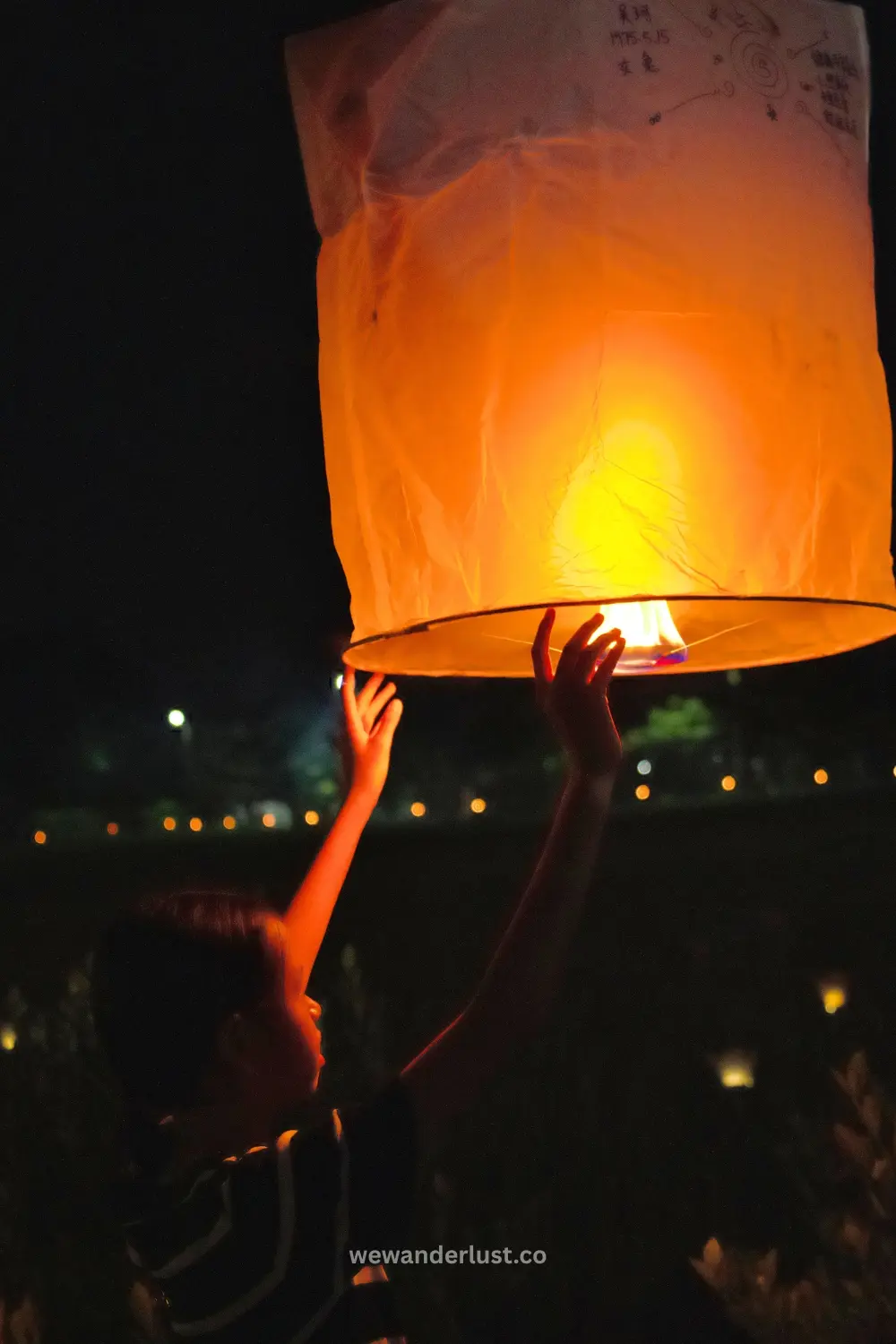
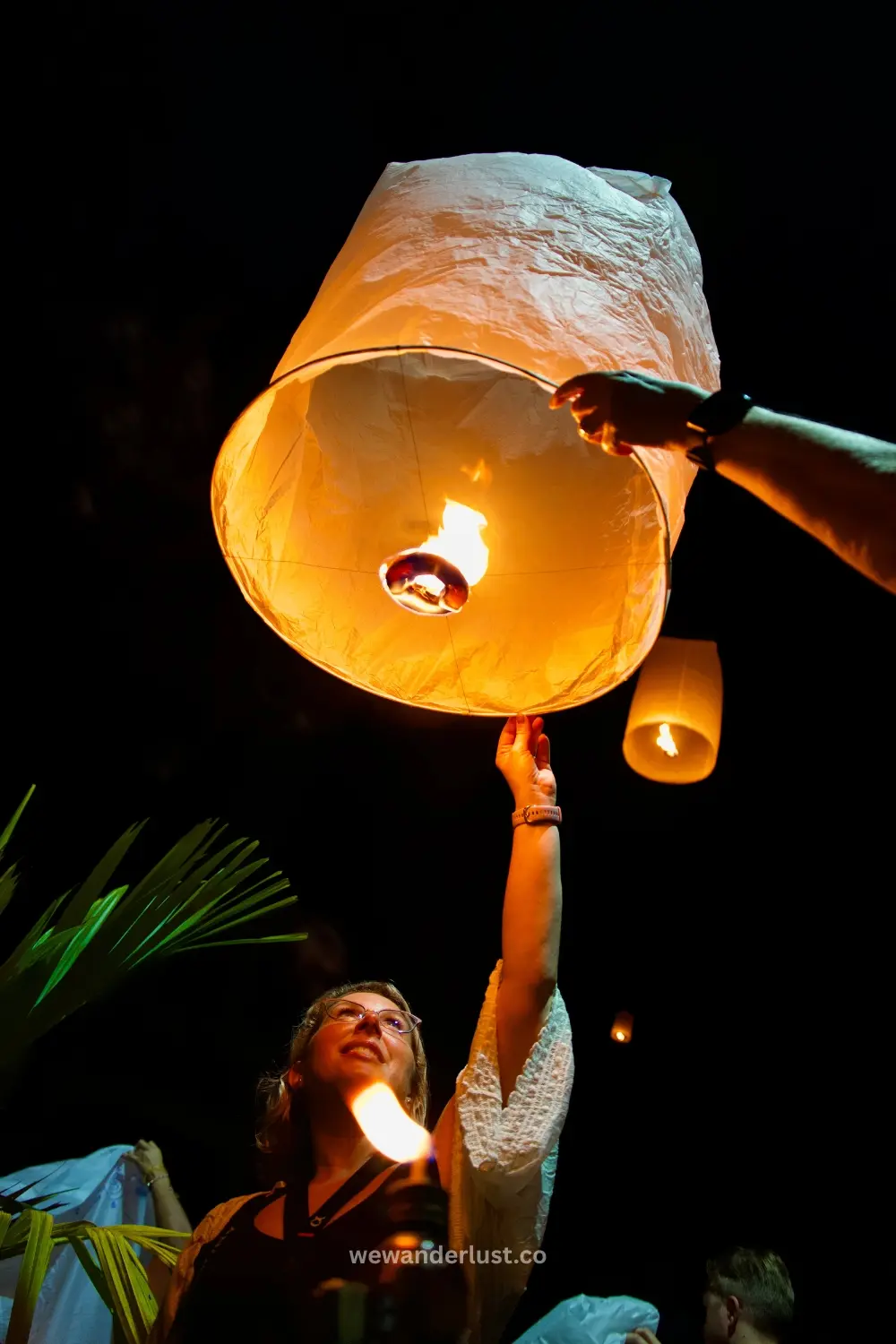
During Yi Peng, people release paper sky lanterns called khom loy. These lanterns are made from rice paper stretched over a bamboo frame with a small fuel cell at the bottom. As the air inside heats up, the lantern slowly rises into the night sky.
The act of letting go of a lantern is meant to carry away worries, bad luck, and past burdens while inviting blessings and good fortune for the future. When thousands of lanterns rise into the sky together, it feels almost unreal, which is why the Chiang Mai lantern festival has become such a bucket list event.
Chiang Mai Lantern Festival 2026 Dates
Dates for the Thailand lantern festival change each year because they are tied to the lunar calendar. In 2026, Loy Krathong and Yi Peng in Chiang Mai are expected to fall on November 24 and 25, 2026, aligning with the full moon of the twelfth lunar month.
The biggest celebrations and main lantern releases usually happen on the evenings of these dates. Official organized events often schedule the mass lantern release at a specific time, typically somewhere between 8:00 and 8:30 p.m., so that thousands of lanterns go into the sky at once.
Festival activities rarely stay limited to just one night. You will see temple decorations, markets, and performances for several days before and after the full moon. To truly enjoy the Chiang Mai lantern festival in 2026, it’s smart to arrive at least one or two days before and stay until at least the 26th or 27th.
How Long To Stay & Where Else To Go
We spent seven days in Chiang Mai and still felt there was more to see. Beyond the core lantern festival events, we:
- Visited Lamphun for a more local ‘Hundred Thousand Lanterns Festival’
- Went cafe hopping around Chiang Mai
- Ate countless plates of northern Thai food
- Explored quieter areas and temples away from the tourist crowds
If you have extra time, consider doing the Mae Hong Son Loop by car or motorbike. The loop passes mountain scenery sometimes nicknamed the “Switzerland of Thailand,” includes glamping stays, ethnic villages such as the long-neck Karen communities, and some of the most beautiful northern landscapes you can see on a single trip.
Should You Release A Lantern Or Just Watch?
This is the question almost everyone has before going to the Chiang Mai lantern festival. Social media makes it look like you must release a lantern yourself to “fully experience it,” but the reality is more complicated.
We decided not to release sky lanterns. The more we learned about the environmental impact, local regulations, and confusion around where lanterns were allowed, the harder it felt to justify sending more lanterns into the sky. Instead, we focused on:
- Watching the lanterns from a distance and others release them
- Participating more deeply in Loy Krathong activities
- Taking part in local events that felt grounded in culture rather than pure commercial spectacle
You can stand on a hill, temple terrace, or field and watch thousands of lanterns rise into the night. It is still pure magic, even when your hands are empty.
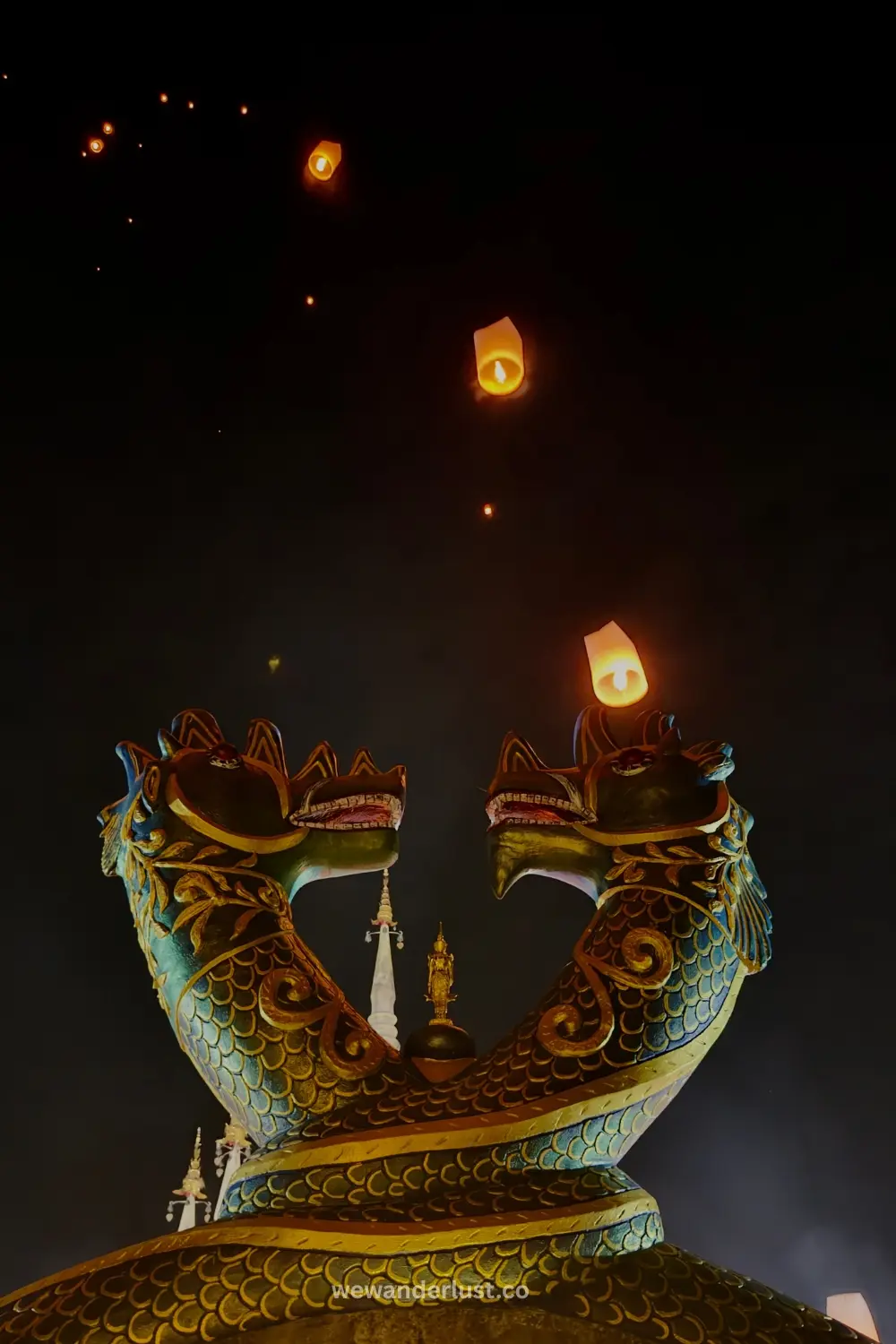
If releasing a lantern is a lifelong dream, that is completely valid. Just know that you can still have an incredible Chiang Mai lantern festival experience without personally lighting one.
Tickets & Official Lantern Events (Yi Peng)
The viral photos of a sky full of lanterns rising all at once usually come from large, organized Yi Peng events held outside Chiang Mai. These are controlled gatherings with safety rules and scheduled activities, and they almost always require tickets.
Prices vary depending on the package. It is common to see tickets in the 4,900 to 10,000 THB per person range, roughly 150 to 300 USD, with VIP packages on the higher end. In exchange, you typically get transportation, a set number of lanterns, cultural performances, and food or snacks.
Many travelers book through:
- The official event website, where you often pay a 30 to 40 percent deposit to secure your spot.
- A trusted booking platform like GetYourGuide, where you can usually get free cancellation up to 24 hours before the event with the option to reserve now and pay later.
If flexibility matters to you or your plans are not fully locked in yet, that free cancellation can be worth it. Tickets often start appearing in mid-December for the following year, and the most desirable dates and seats can sell out by early in the year, so it is wise to book as soon as you are sure you are going.
Confusing Information & How Not To Get Burned
One of the most frustrating parts of the Chiang Mai lantern festival is how much misinformation floats around, especially on social media. We saw this firsthand.
We read posts saying there would be no lanterns at a popular free spot near the lakes outside the city and that people were being redirected to a dam instead. Some travelers went out there, tried to release their lanterns, only to be stopped by police and told to go back.
The day before the festival, we found a temple near the lakes and decided to attend their event. We paid 500 THB each for entry. The ticket came with two lanterns per person, which we politely refused since we did not want to release any. Later in the night, we could clearly see lanterns going up from the very lakes we had read would be “closed” to lantern releases. Entry there was free, and lanterns reportedly cost around 50 THB each.
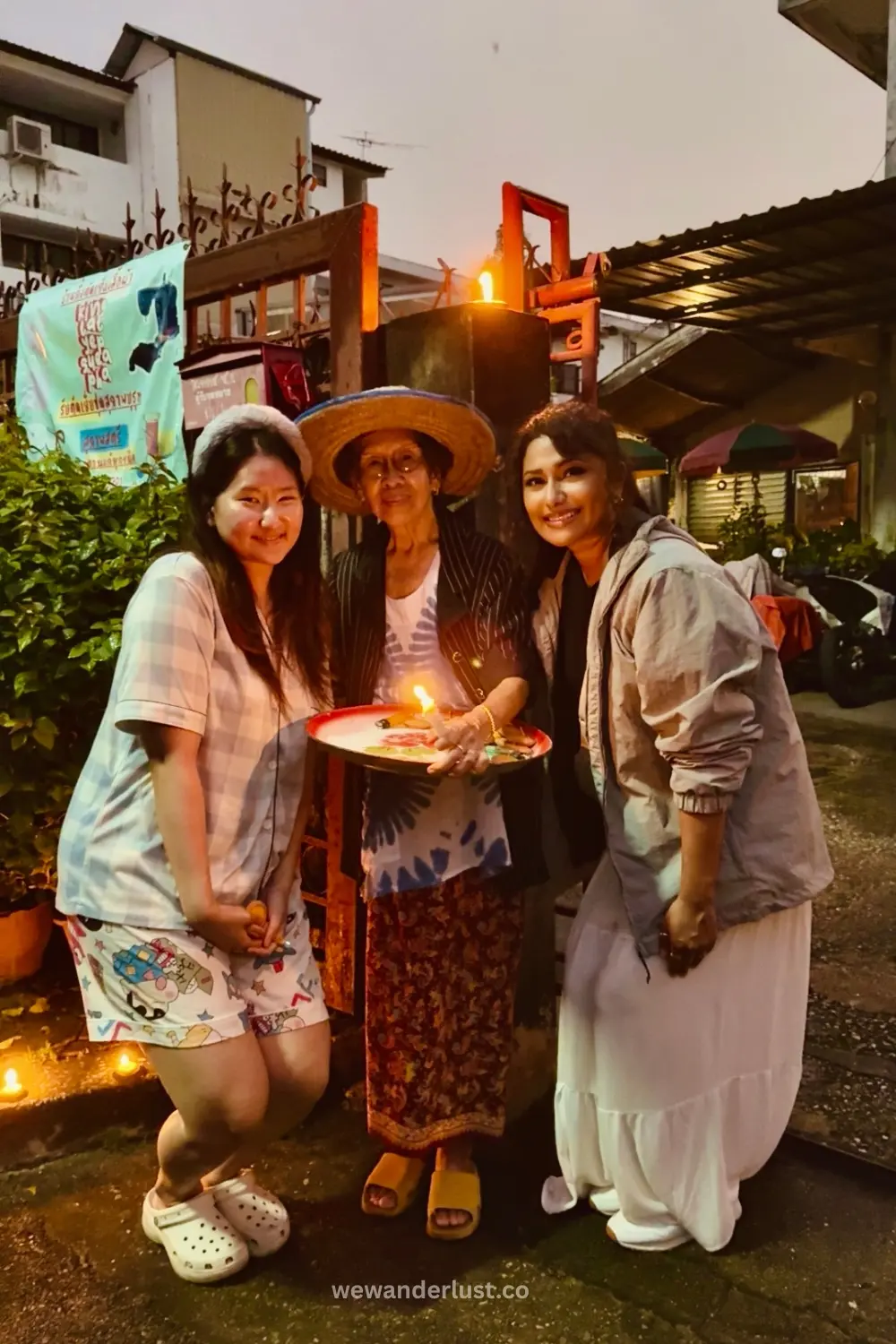
It was hard not to feel like we had overpaid when we could have gone to a free location. At the same time, the temple event was intimate and we chose to see it as a donation that supported the local community.
The bigger lesson: during the Thailand lantern festival, you will see conflicting information everywhere. Some of it is simply outdated. Some of it may be designed to funnel tourists to certain paid venues. It really pays to double-check everything.
Whenever possible:
- Ask your accommodation for current, local updates.
- Verify details a day or two before the event.
- Expect that plans may change, and build some flexibility into your schedule.

Enjoying The Chiang Mai Lantern Festival On A Budget
You do not need to spend a fortune to enjoy the Chiang Mai lantern festival. Simply being in the city when everything is lit up can feel like stepping into another world.
You can spend an evening wandering from Tha Phae Gate into the old city, drifting between temple grounds, watching performances in the street, and hanging around the riverbanks as krathongs drift past. None of that costs anything except the food you choose to eat and any small offerings you decide to make.
If you do not care about joining a big commercial Yi Peng event, focus on:
- Free public gatherings in the old city
- Temple visits after dark
- The riverside areas where locals release their krathongs
- Cultural events and local festivals in nearby Lamphun
With that approach, you still get the essence of the Thailand lantern festival in Chiang Mai without spending hundreds of dollars on a single night.
Best Places To Experience The Lantern Festival In Chiang Mai
Different parts of Chiang Mai offer different sides of the lantern festival. Here is how they feel and what to expect.
Tha Phae Gate
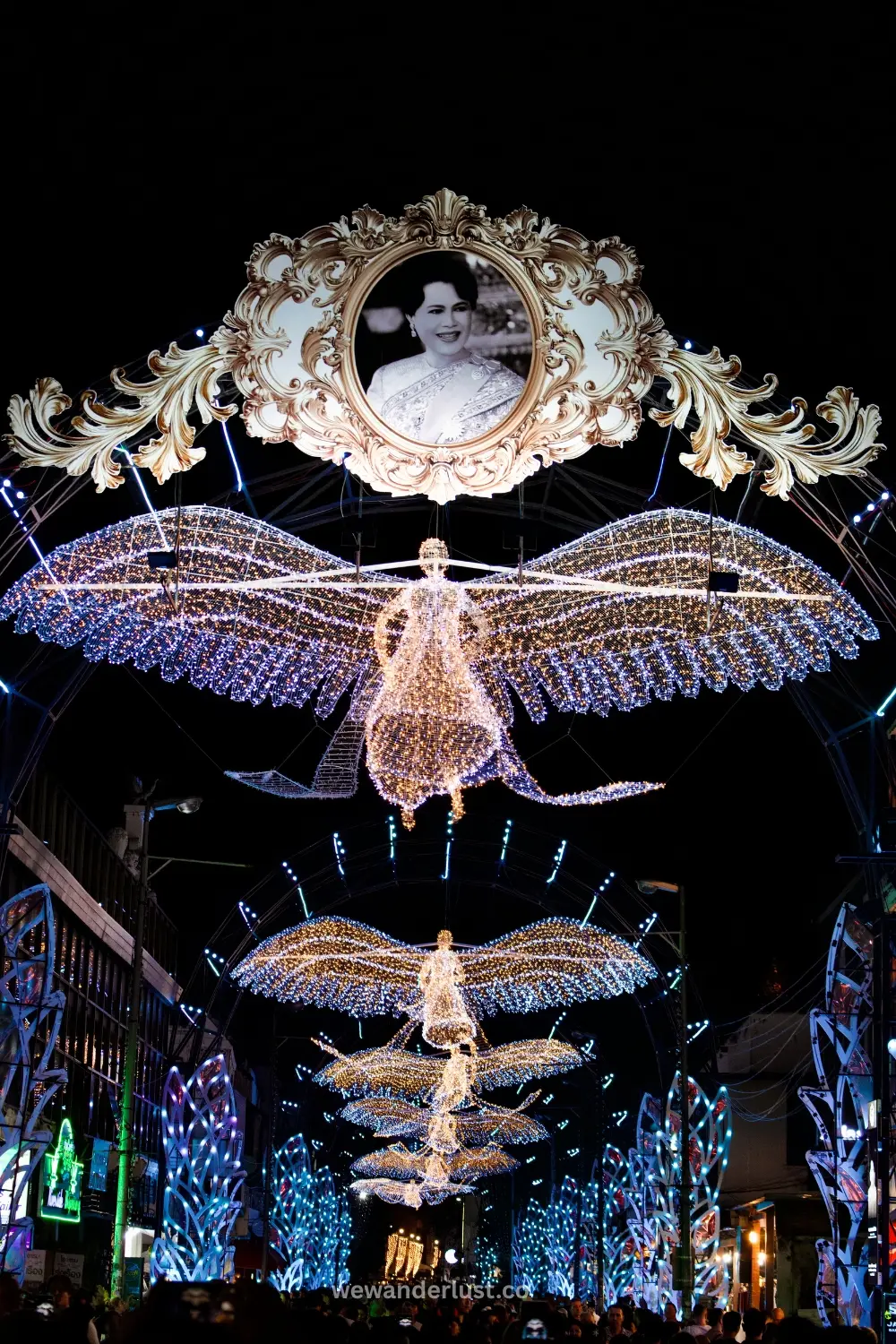
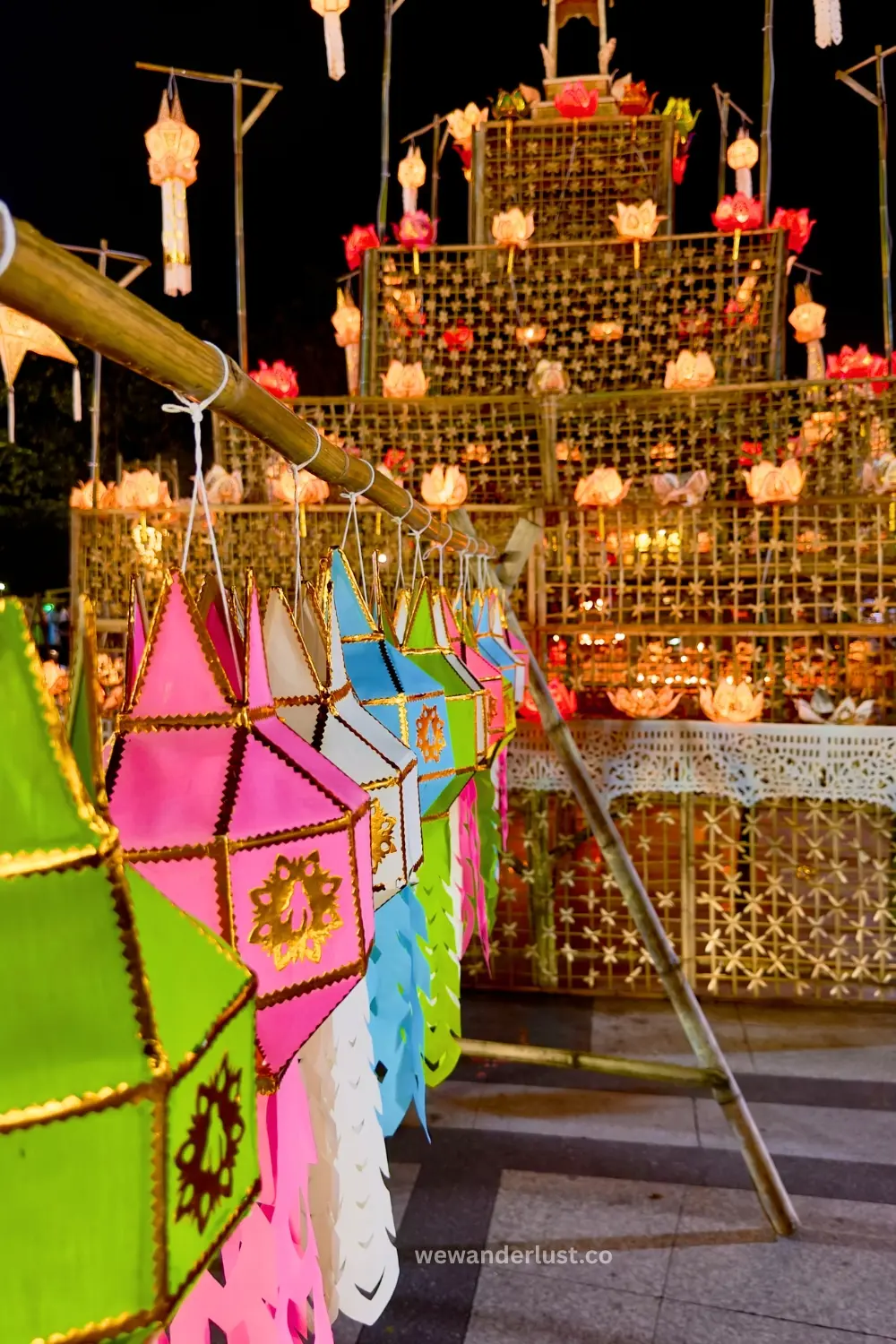
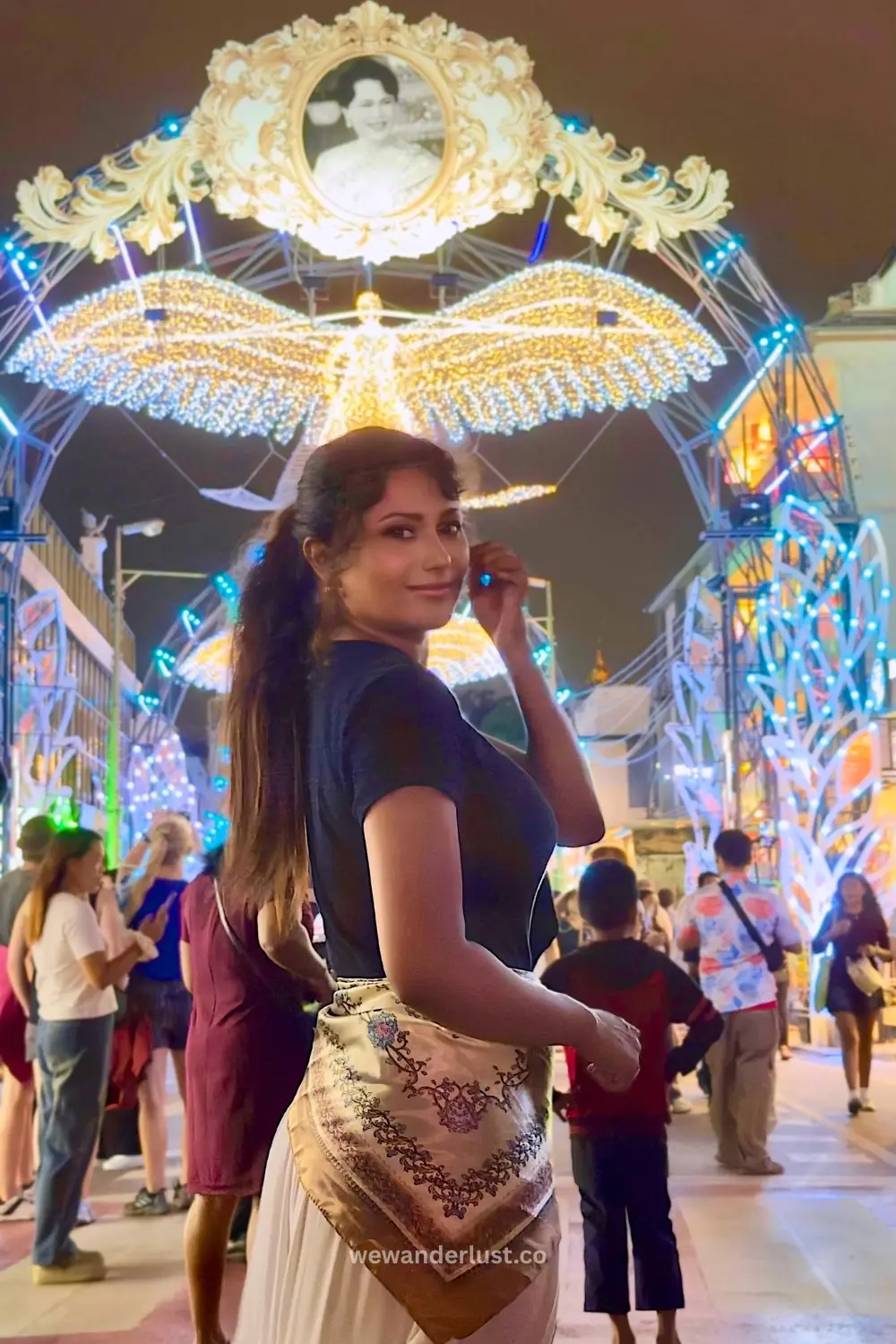
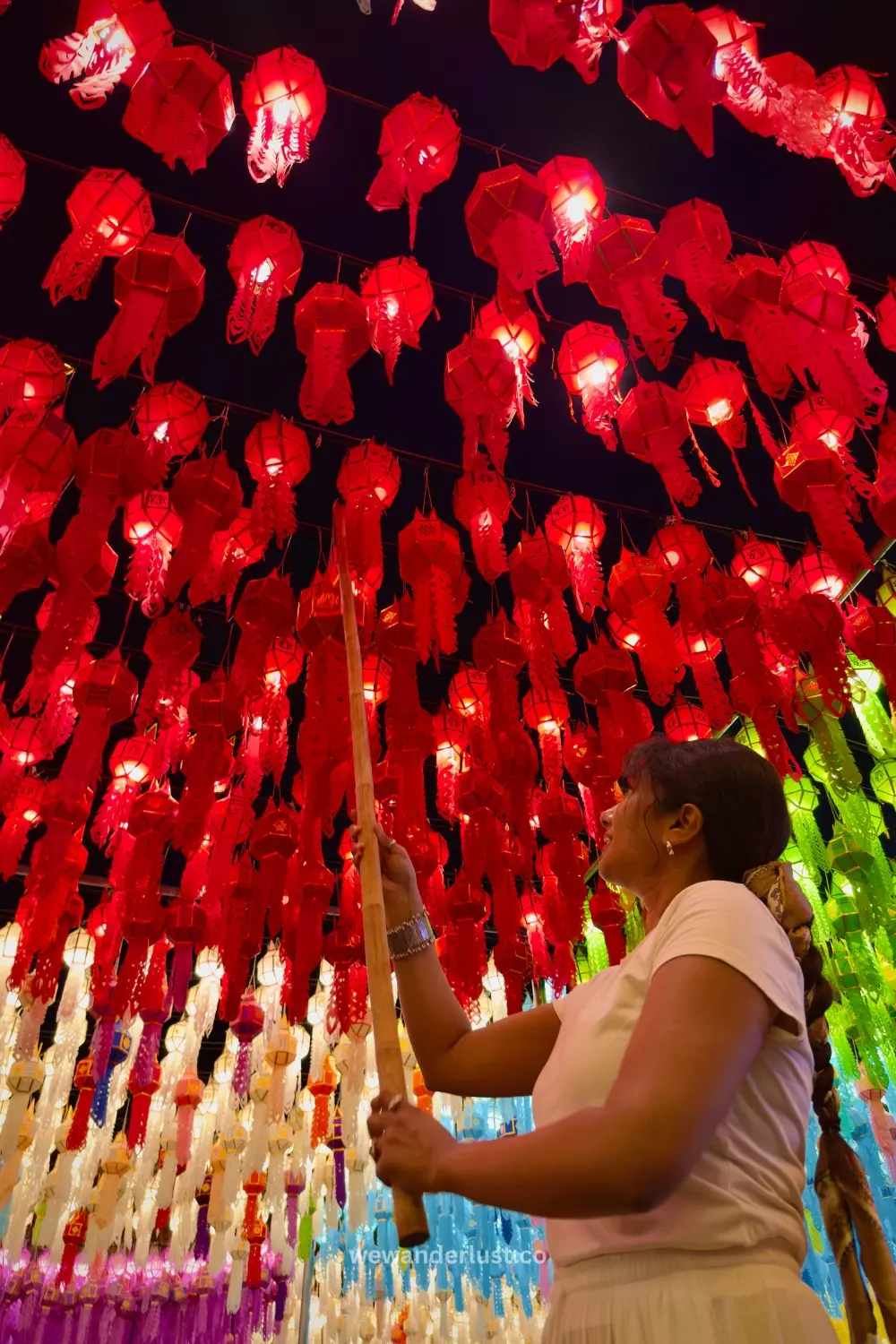
Tha Phae Gate is often the most crowded and energetic area during the Chiang Mai lantern festival. It is usually home to opening ceremonies, parades, music, and decorative lantern displays along the old city walls.
If you want to feel right in the middle of everything, start your evening here and then wander into the old city from this point.
Three Kings Monument
Just a short walk from Tha Phae Gate, the Three Kings Monument turns into a stage for cultural performances, traditional dance, and sometimes pageants. The monument itself is beautifully lit and surrounded by lanterns.
It is a good place to sit for a while and soak everything in. Sometimes student volunteers are there running surveys or activities, and you may even receive small festival souvenirs for taking part.
Wat Chedi Luang & Wat Phan Tao
These two temples are some of the most atmospheric places to experience the Chiang Mai lantern festival at night.
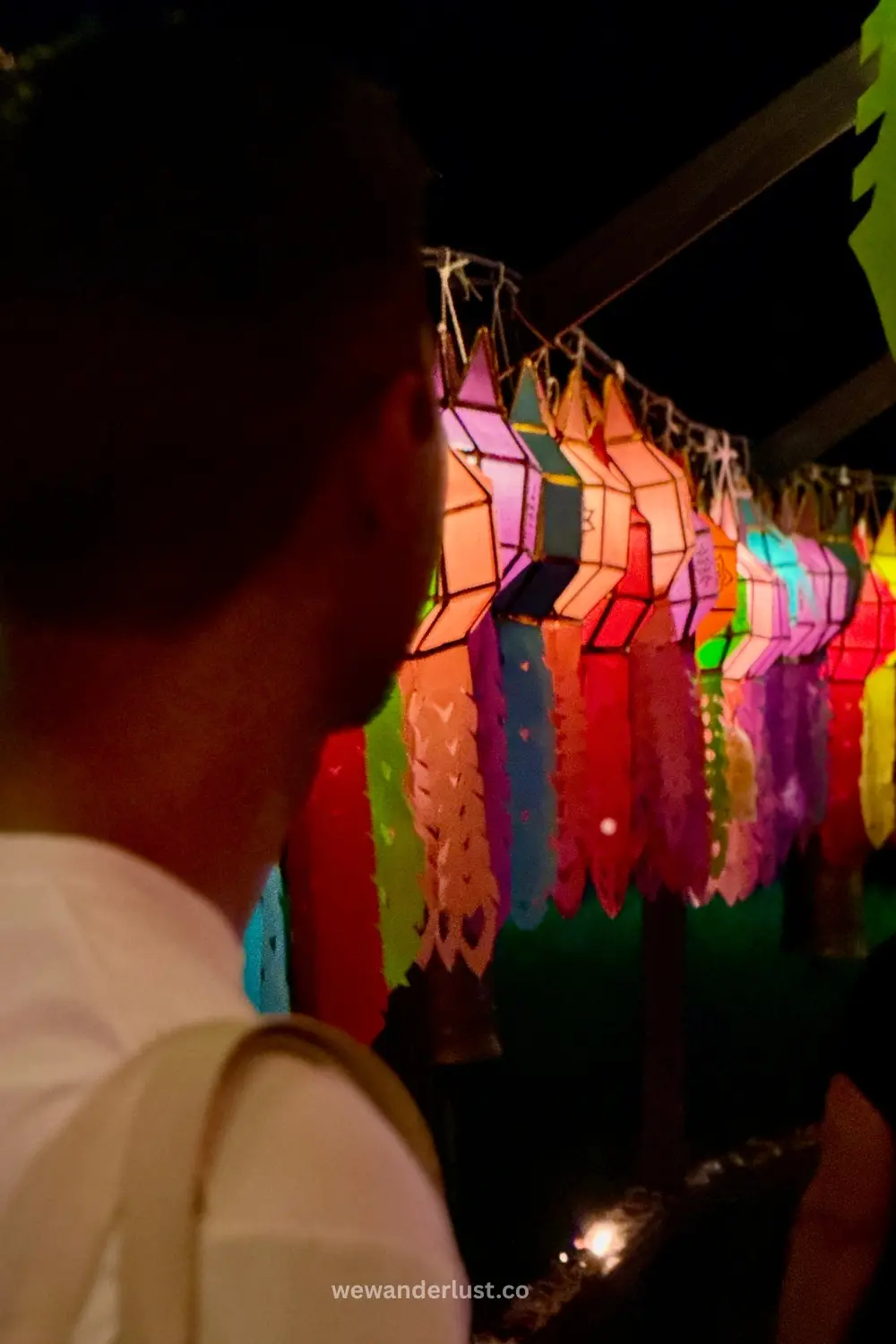
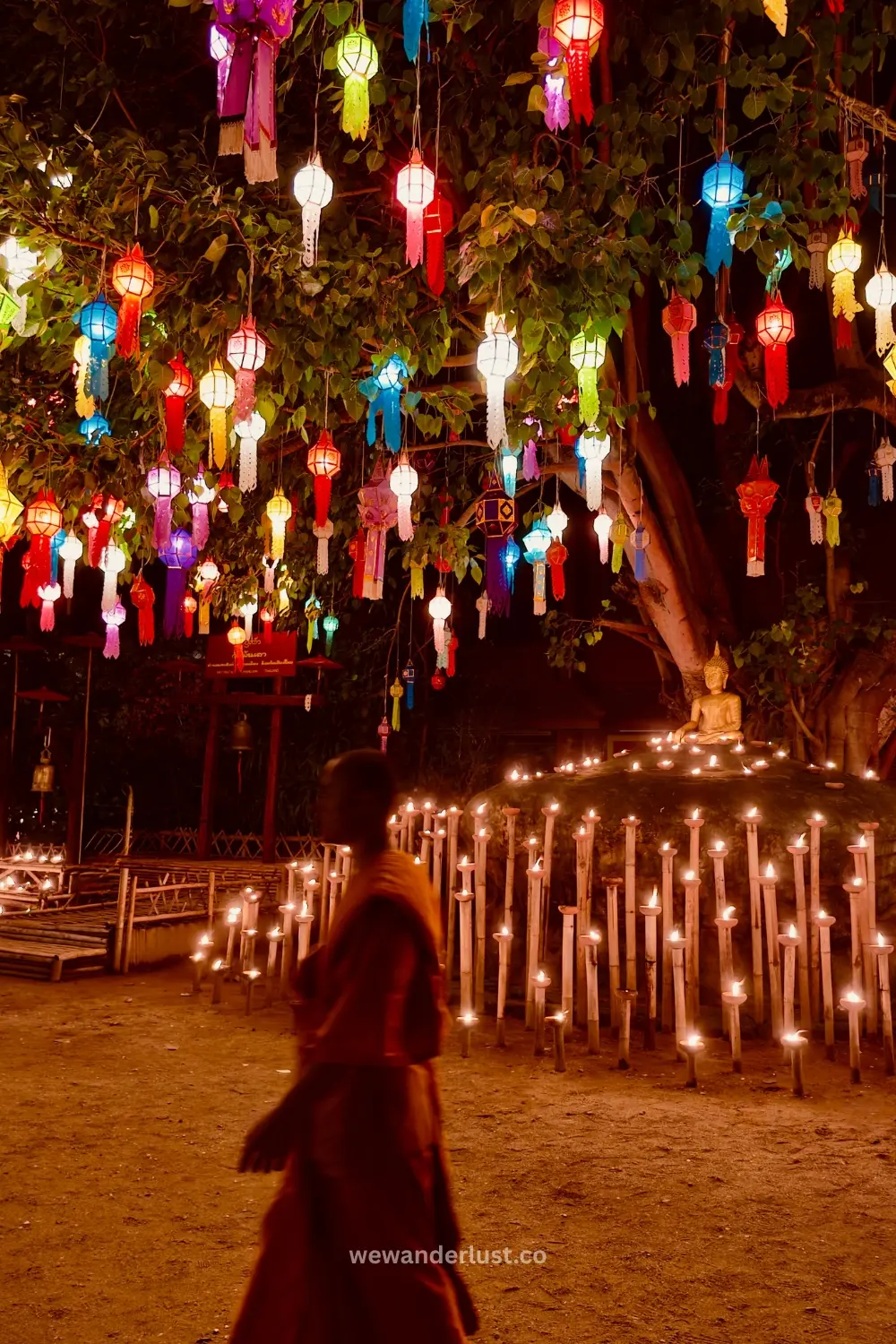
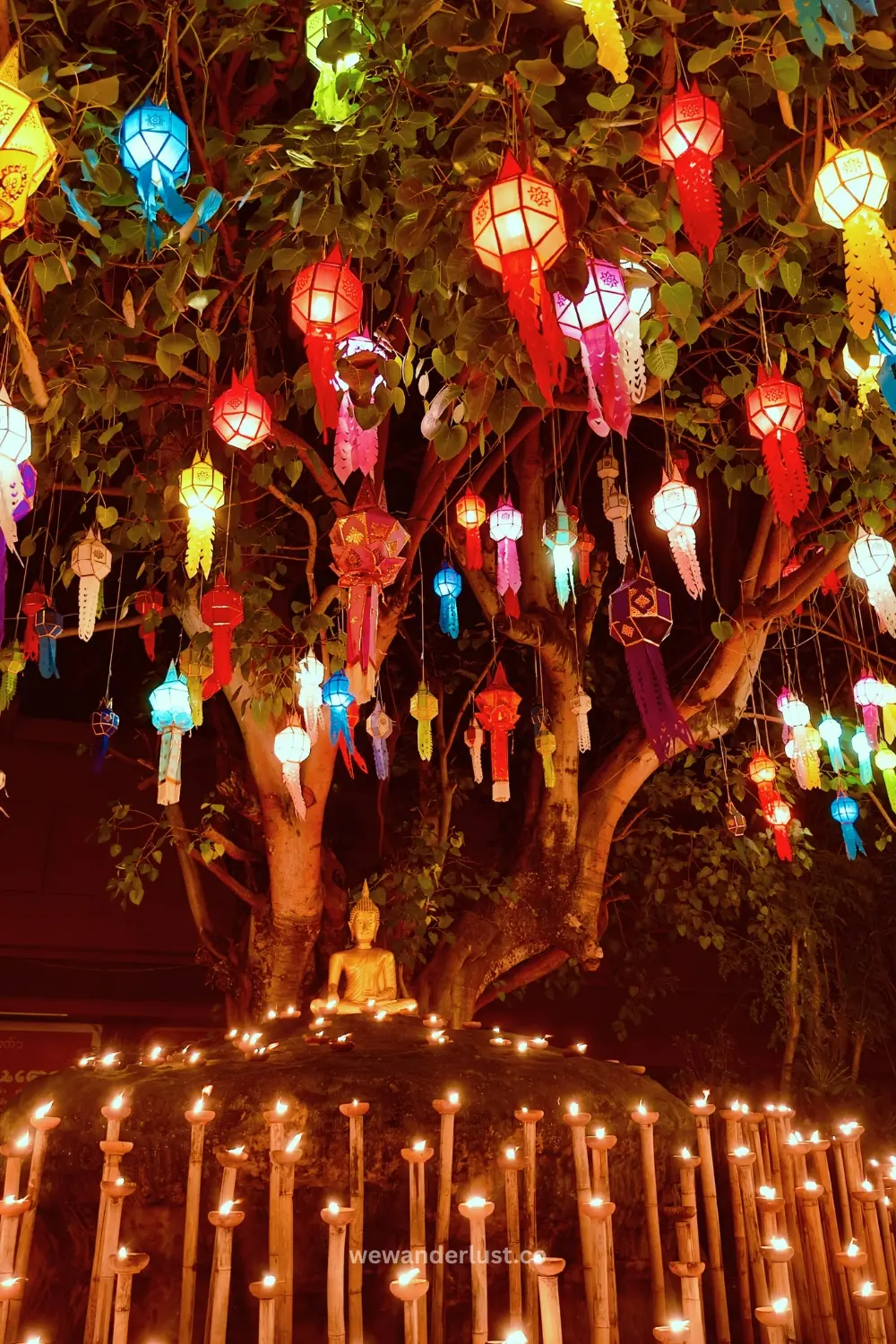
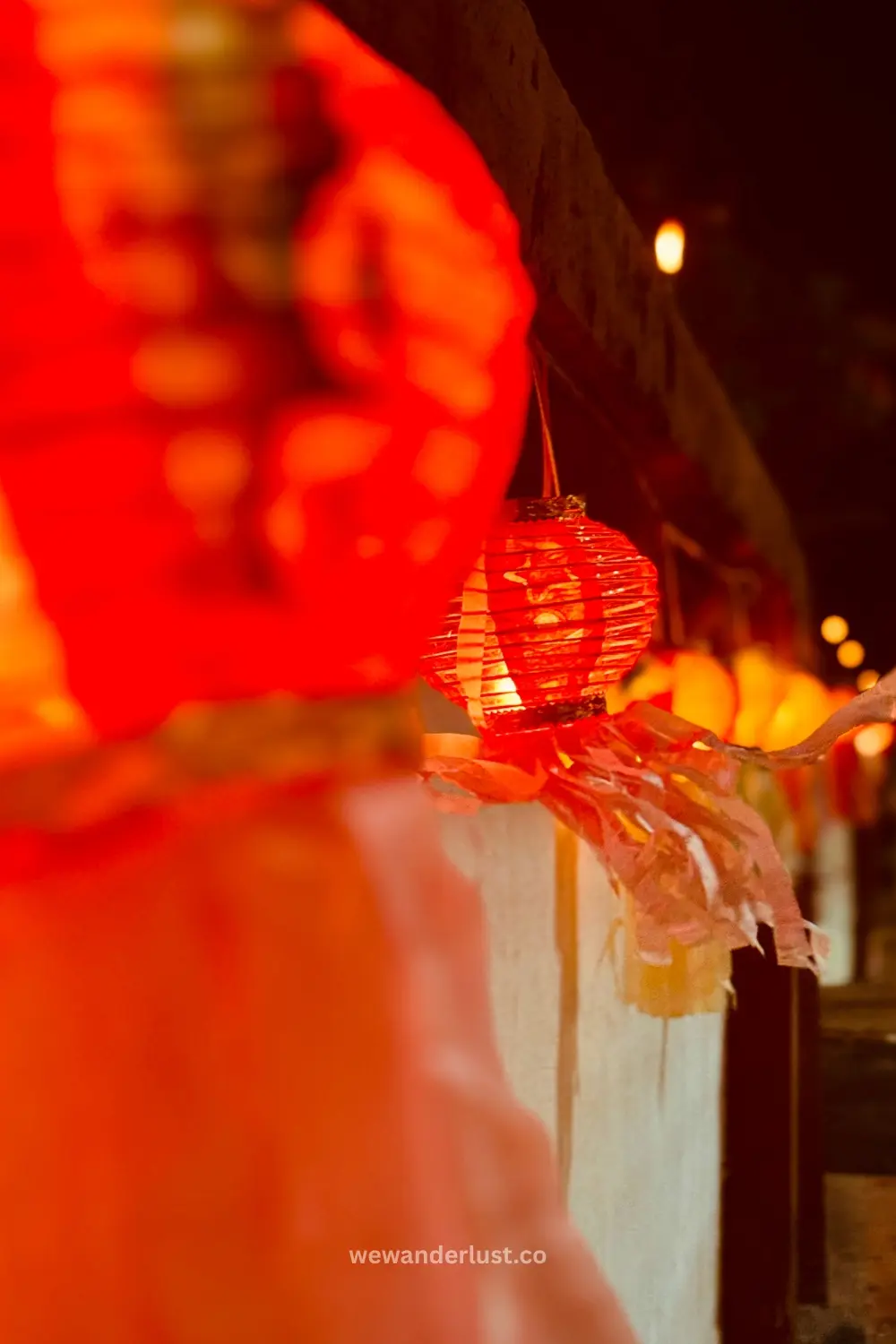
Wat Chedi Luang, with its towering brick chedi, becomes dramatic under candlelight and lantern decorations. Wat Phan Tao, a wooden temple with a small pond, is often strung with rows of lanterns that reflect in the water.
The contrast between ancient architecture, soft candlelight, and hanging lanterns makes these sites incredibly photogenic. Just remember that these are active places of worship, so dress modestly and move quietly.
Lamphun & The 100,000 Lanterns Festival
For something more local and less commercial, consider visiting Lamphun, which is not far from Chiang Mai. An ancient temple complex there hosts the so-called “100,000 Lanterns” style celebrations as part of the wider Yi Peng period.
The feeling is very different from the big Chiang Mai city crowds. You see mostly locals making merit, hanging lanterns, and filling the temple grounds with light. We paid around 100 THB to hang a lantern as a donation to the temple and joined the Friday walking street market afterwards for food.
If you crave a more authentic, grounded experience of the lantern festival, Lamphun is worth planning into your trip.
Ping River Banks
Along the Ping River, you witness the softer side of the Thailand lantern festival. Families, couples, and groups of friends gather along the riverbanks as they lower krathongs into the water.
The scene is more relaxed than the chaos around Tha Phae Gate. This is where you see the spirit of Loy Krathong most clearly: flickering candles drifting away, people quietly making wishes, and the glow of the city reflecting on the water.
Krathongs, Lanterns & The Environment
Both Loy Krathong and Yi Peng create powerful memories, but they also raise environmental questions. With more tourists joining every year, the impact becomes harder to ignore.
Traditional krathongs are designed to return to nature. The base is made from a thick slice of banana trunk, covered with banana leaves and decorated with real flowers, incense, and a candle. These materials eventually break down in the water.
Some modern krathongs, however, are built on styrofoam or heavily decorated with plastic and synthetic materials. These do not break down and end up polluting river systems.
The same issue appears in different form with sky lanterns. Each lantern that goes up eventually comes down somewhere, often in fields, trees, or near homes. After the magic moment passes, they become waste that someone has to deal with, and if they land while still burning, they can be dangerous.
A more responsible way to experience the festival is to:
- Choose krathongs made only from natural materials.
- Say no to plastic or styrofoam bases, even if they are cheaper or “prettier.”
- Consider focusing more on watching and participating in cultural activities rather than releasing something yourself.
We decided to join krathong making and lantern hanging in temple spaces and skip releasing sky lanterns altogether. You might make a different choice, but it is worth thinking about what aligns with your own values before you go.


Transportation During The Lantern Festival
Getting around Chiang Mai during the lantern festival requires patience. The old city is compact, but roads clog up quickly when the crowds arrive.
Most visitors rely on a mix of songthaews (red shared trucks), tuk tuks, Grab cars, and motorbike rentals. Compared to Bangkok, there is not much formal public transport, so these options become the default.
If you stay in or near the old city, you can walk to many of the main festival locations such as Tha Phae Gate, Three Kings Monument, Wat Chedi Luang, and Wat Phan Tao. This makes life much easier once streets start closing or traffic grinds to a halt. We walked almost everywhere within the old town and it worked well.
Reaching venues outside the city, including some lantern release sites, takes more planning. The options look something like this:
- Booking a tour that includes shuttle transport.
- Hiring a Grab driver for a round trip and agreeing on approximate timing.
- Negotiating a price with a tuk tuk driver before you hop in.
- Renting a motorbike if you are experienced and comfortable riding in busy, unpredictable conditions.

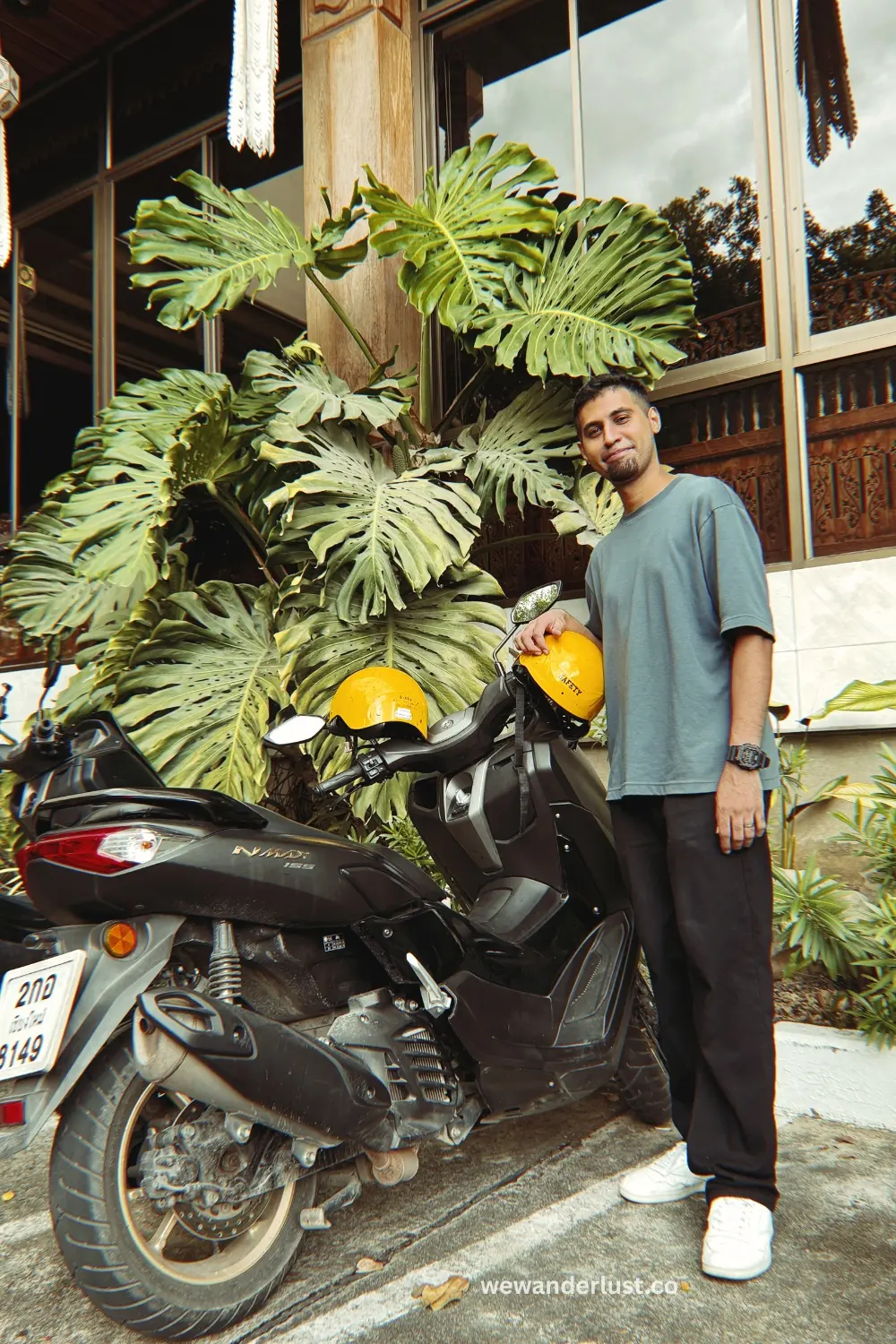
No matter which you choose, try to move early. Once late afternoon hits, prices tend to climb and cars become harder to find. It is not unusual to wait a long time or watch your booking repeatedly cancel as demand spikes.
If you are tired from a long travel day or are not used to riding scooters in heavy traffic, it is safer to stick with cars, songthaews, and tuk tuks.
Where To Stay For The Chiang Mai Lantern Festival
Accommodation in Chiang Mai books up months in advance for the lantern festival. This is one of the busiest times of the entire year.
Staying near or inside the old city is the most convenient option, especially around Tha Phae Gate and along the Ping River. From there, you can walk to many of the main celebration points and avoid a lot of traffic stress.
We stayed at Khum Phucome Hotel which was closer to Nimman. Khum Phucome Hotel was our favorite for their service, cleanliness and overall privacy. You can also check the alternative hotels below.
- Aksara Heritage: A perfect base for exploring the city, with beautiful rooms, stylish décor, and a relaxing pool to escape the hustle and bustle.
- POR Thapae Gate: A great location right on the Sunday Walking Street Market, with a large deep bathtub perfect after sightseeing and unlimited water, coffee, and fruit available all day.
During normal times, simple guesthouses inside the old city can cost around 500 to 800 THB per night. During the Chiang Mai lantern festival, prices can easily double or triple, and mid-range hotels often reach 2,000 to 4,000 THB per night or more.
Check out all hotels in Chiang Mai within the city center/wall.
We found that even with careful planning, many of the places we wanted were already sold out. Booking around six to nine months in advance gives you a better chance of getting a place you like at a somewhat reasonable price.
Use your favorite platforms to compare options, but pay close attention to:
- Recent reviews, especially from past festival seasons.
- Cancellation policies.
- Any mention of overbooking or last-minute cancellations.
With so many people coming into the city for the lantern festival, you really do not want to arrive and discover that your room has been given away.
Etiquette & Staying Safe At The Lantern Festival
The Thailand lantern festival is incredibly photogenic, but for locals it remains a religious and spiritual time of year. Respect goes a long way.
Dress as you would for visiting a temple: shoulders covered, shorts or skirts that reach at least the knees, and nothing overly revealing. Around temple grounds, avoid smoking or drinking entirely. This seems obvious, but every year you still see tourists doing both.
Crowds can get intense, especially in narrow streets and around the main gates. Pickpocketing is possible in any crowded area anywhere in the world, so keep your belongings close and secure, and keep an eye on children or older relatives if you are traveling with family.
On the emotional side, it helps to let go of the idea that your festival experience has to look exactly like a perfectly edited video. We had moments of frustration as plans changed and information turned out to be wrong, but some of our best memories came from unexpected detours, quiet walks through the old city, and simple meals at night markets.
Treat the lantern festival as a living, breathing cultural event rather than a product. Stay open and flexible, and allow your experience to unfold a little differently from what you imagined.